Next-generation peptides: a smarter skincare ritual
What peptides can bring to a routine — and why the finished formula matters more than a fashionable ingredient.
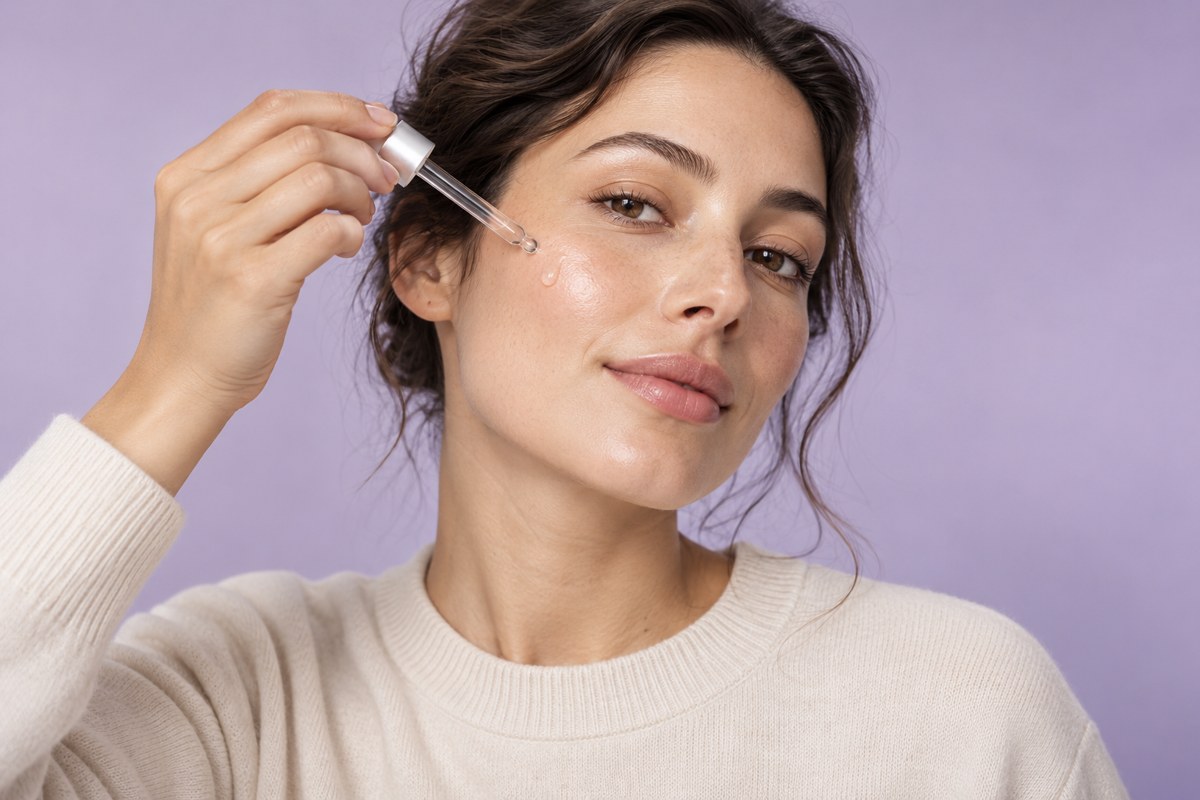
Peptides are short chains of amino acids, and different cosmetic peptides have different roles. Some are investigated for the appearance of fine lines; others are included in formulas designed to hydrate or condition skin. A “next-generation” label is an invitation to look closer, rather than proof that a product will transform your skin.
The essentials
Clinical studies of particular topical peptides have reported improvements in the appearance of wrinkles. These results belong to the tested ingredient, concentration and formula: they cannot be transferred automatically to every peptide serum. Packaging, stability, tolerability and consistent use all matter. Ask what was actually tested, and give a new routine time rather than changing products every few days.
A smart routine starts with a gentle cleanser, a moisturizer that feels comfortable and daily broad-spectrum sun protection. A peptide product can be an optional addition. Begin with one new formula, follow its directions and avoid turning a simple routine into a crowded experiment.
Choose texture around your skin, not the marketing name. A lightweight serum may suit someone who dislikes rich layers, while a cream can combine the peptide step with moisturizing. If a product makes skin sting or feel uncomfortable, simplify the routine rather than pushing through.
What “next generation” should actually tell you
A meaningful upgrade might concern how a peptide is formulated, how well the product stays stable or how comfortable it is to use. None of those details is explained by the generation number alone. Look for the full ingredient list, clear application directions and a description of the result being measured. “Smoother-looking skin” is a cosmetic outcome; an instant lifting metaphor is not the same thing as clinical evidence. Useful information should help you decide whether the product fits your routine, not simply make the bottle sound more advanced.
When comparing evidence, separate research on an ingredient from research on the product you would buy. A supplier may have tested one peptide in a particular base, while the retail formula uses a different combination. Ask whether the finished formula was studied, who participated and what the comparison was. Photos without consistent lighting are difficult to interpret. A study of one facial cream also does not establish a result for a scalp serum or an oral supplement. The route of use matters.
Serum or cream: choose by the job it will do
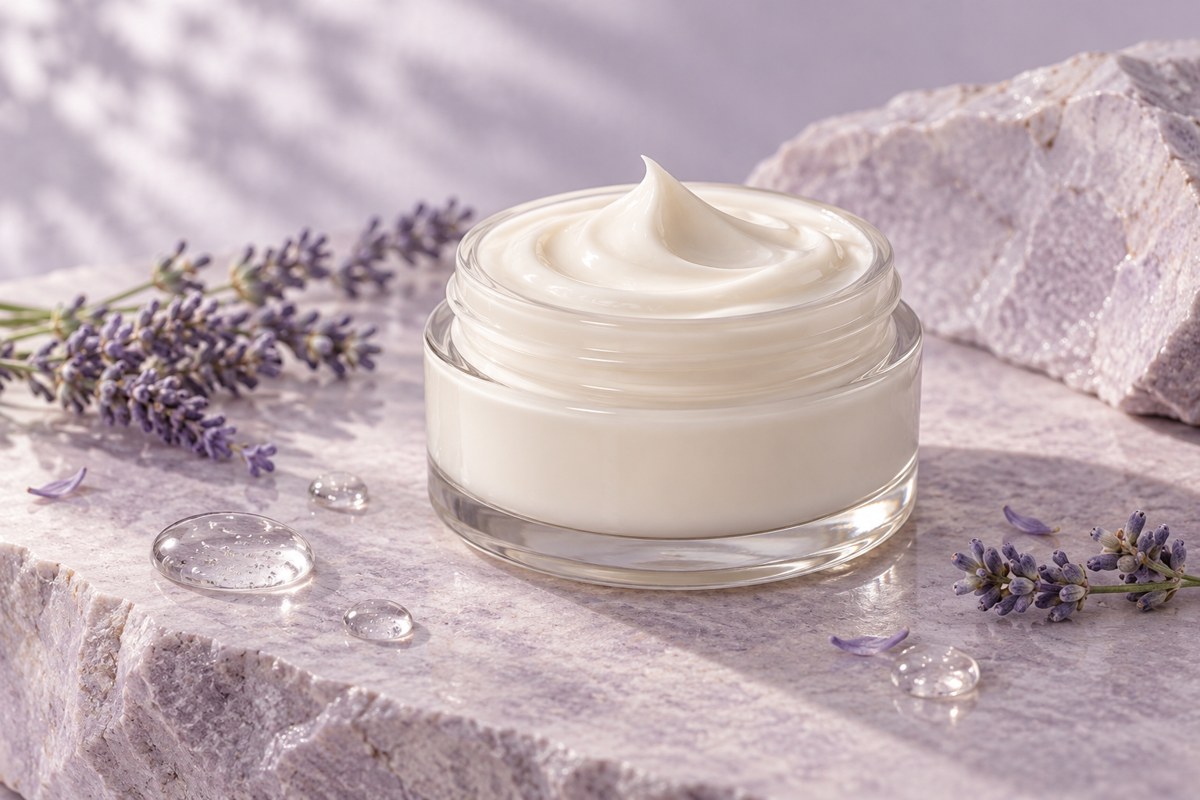
A serum makes sense when you already like your moisturizer and want to keep its texture. A peptide cream may be more practical if you want one comfortable step rather than several layers. There is no rule that two peptide products work better together. Compare how the formula feels under sunscreen, whether it leaves a sticky film and whether you can use it consistently. For dry skin, comfort may be the deciding factor; for skin that dislikes rich textures, a lighter finish may make the routine easier.
Do not use the position of one ingredient on the label as a simple ranking of effectiveness. Cosmetic formulas contain ingredients with different functions and useful amounts. A prominent percentage can describe a blend rather than the pure active. Read what the percentage refers to, and avoid assuming that a larger number is automatically stronger or more appropriate. A product should earn its place through a clear purpose, good tolerance and realistic evidence, rather than through a competition between ingredient lists.
A practical way to introduce the product
Keep the rest of your routine familiar when starting. Apply the new product according to its directions, then use the moisturizer and sunscreen that already suit you. Do not introduce a new exfoliant, cleanser and peptide serum in the same week if you want to understand which change makes a difference. If the label offers a choice between morning and evening, choose the time you can repeat reliably. You do not need to buy extra products merely to make the serum feel like a complete treatment.
Compatibility is a question about the whole formulation, not a universal internet rule about every peptide. If the manufacturer gives instructions about other actives, follow them. If two products sting when layered, simplify instead of trying to compensate with a third. Mixing products together in your palm also changes how they are applied; use separate layers unless the directions say otherwise. Prescription skincare should continue to follow the advice given for that treatment, rather than being rearranged around a cosmetic trend.
How to decide whether it deserves a repeat purchase
Write down what you wanted to improve before opening the bottle: comfort, dryness or the appearance of fine lines are different goals. Check progress under similar lighting and with the same basic routine. A pleasant feel immediately after application is useful information about texture, but it is not proof of a long-term structural change. Follow the time frame supported by the product evidence, and be cautious about demanding overnight results. Equally, a product that repeatedly feels uncomfortable is not a good match just because its ingredients are fashionable.
Before buying again, ask whether the formula added something you could notice, whether the application was easy and whether you would still choose it without the “next-generation” name. Peptides can be an interesting part of skincare, but they do not make sunscreen, cleansing or moisturizing less relevant. A thoughtfully chosen single product is often easier to evaluate than an entire new collection. Keep the ritual small enough that you can tell which part of it is doing the work.
Recommended care
What to use: an optional facial peptide serum or cream with clearly identified ingredients and evidence for the finished formula.
Pair it with: a gentle cleanser, a comfortable moisturizer and broad-spectrum SPF 30 or higher. These are skincare product types, not hair products from our current catalog.