Cloud Skin: soft focus, lighter layers
Meet the softly matte makeup finish that still lets skin look like skin.
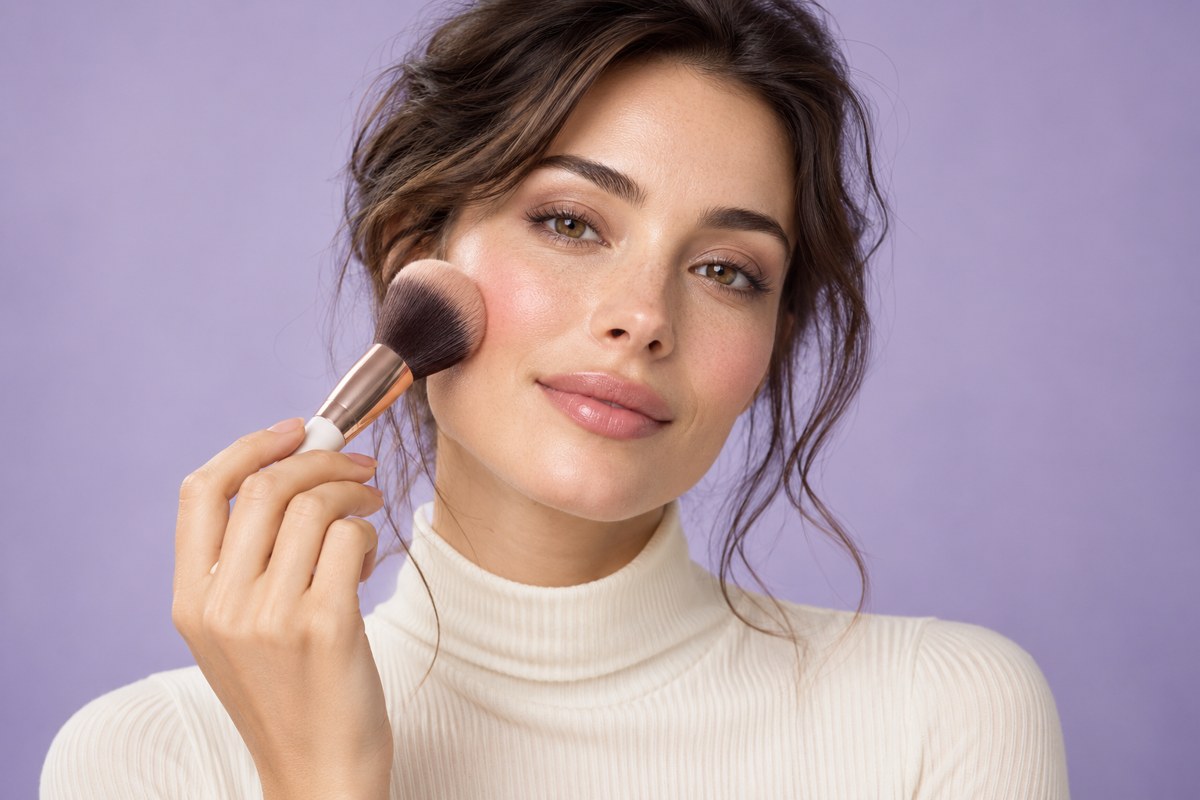
Cloud Skin sits between a fully matte complexion and a very dewy finish. Think diffused light, a softly blurred look and a little natural radiance. It is a makeup effect, not a requirement for poreless skin: real texture remains part of the picture.
The essentials
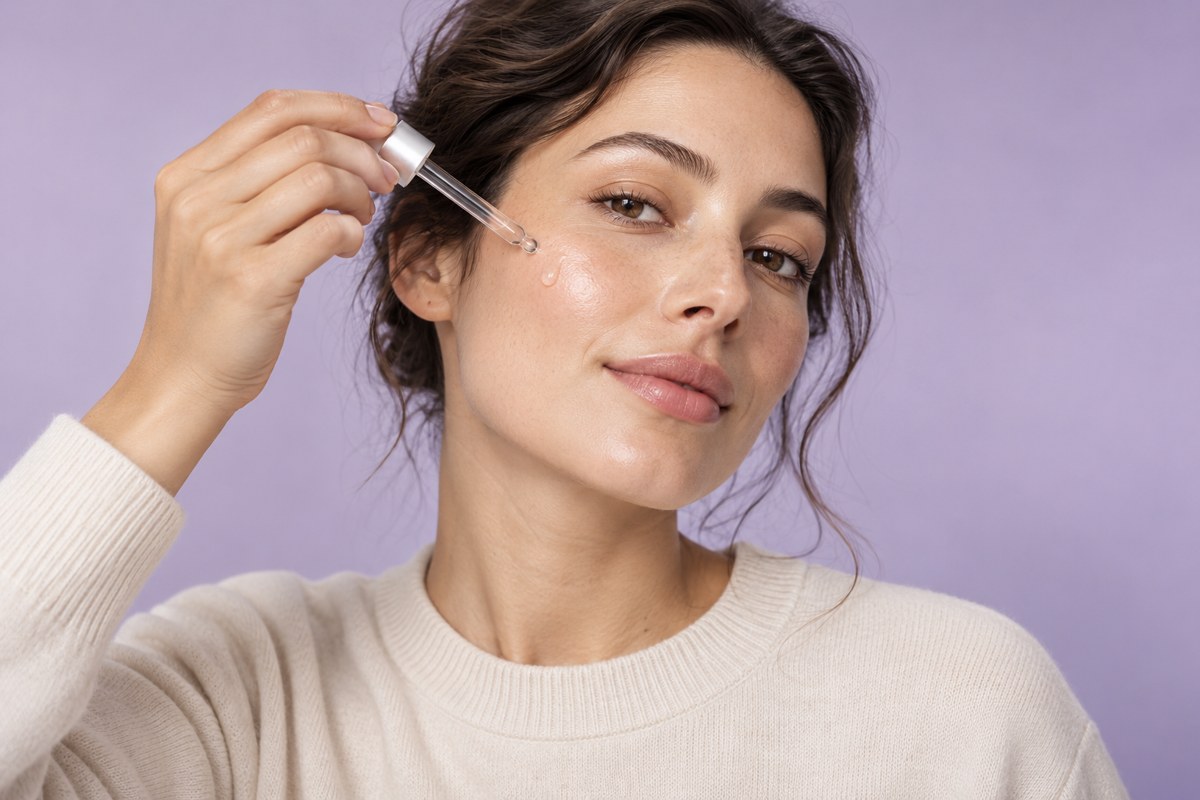
Prep with a moisturizer that suits your skin and let it settle before applying makeup. Choose a light layer of tinted moisturizer, a skin tint or a soft-matte foundation. Add coverage only where you want it rather than building the same thickness everywhere. A damp sponge or a soft brush can help distribute a small amount.
Use a little finely milled powder on areas where you want less shine, then reassess in daylight. Keep the rest of the face flexible with cream blush or a subtle satin finish. More powder can change the look from softly diffused to visibly dry.
Hybrid cosmetics combine color with skincare ingredients, but a hydrating claim does not replace the rest of your routine. Makeup containing SPF is not a reason to skip a dedicated sunscreen applied as directed. The most convincing Cloud Skin look is the one that feels comfortable enough to wear all day.
Map the finish before choosing the products
Cloud Skin is not a single level of coverage. The key visual choice is where to keep a little radiance and where to soften shine. Look at your face in daylight before applying makeup: you may prefer a calmer finish around the nose while keeping the cheeks more luminous. That map helps you place powder instead of treating the entire face identically. The trend can work with sheer coverage or more correction, provided the layers remain comfortable.
Do not confuse a blurred effect with an instruction to erase normal skin texture. Pores, expression lines and small differences in the surface will still be visible at close range. A softly matte finish changes how light reflects; it does not have to look like a digital filter. Choosing a realistic goal prevents the common cycle of adding foundation, then powder, then more correction simply because the mirror does not resemble a retouched photograph.
Prep, then use coverage where it earns its place
Use your familiar moisturizer and sunscreen before makeup, following their instructions. Give the layers time to settle rather than immediately rubbing several products together. If the base rolls into little flakes, check the amount and application method before assuming that your skin needs an exfoliating treatment. Changing one step at a time makes it easier to identify which combination is not working. Skin prep should make makeup comfortable; it need not become a separate ten-product routine.
Start foundation or skin tint with a small amount, then add coverage locally. A sponge can spread a layer softly, while a brush may give more control around the places you want to correct. Neither tool guarantees the right result: use a clean tool and observe how much product it leaves behind. Check the jawline and hairline in daylight. If the shade or texture is not right, adding powder over it will not make the mismatch disappear.
Use powder as a placement tool
Press or sweep a small amount of powder onto the areas where you want to reduce shine. Reassess before adding more. You may not need the same amount on the cheeks as around the nose or on the forehead. Choose the finish around your preference rather than following a rule that every part of the face must be set. A fluffy brush, a puff and a sponge can deposit different amounts, so the tool is part of the decision.
If the makeup looks dry, do not immediately add another foundation layer in an attempt to restore smoothness. Review how much powder you used and whether the moisturizer or base suited your skin. Cream blush can give the look some softness, but apply it in a way that does not disturb the layers underneath. A small correction is easier to manage than repeatedly alternating wet and dry products. The aim is a balanced finish, not a continuous effort to disguise yesterday’s decisions.
Read hybrid claims without handing over the whole routine
A tint may include moisturizing ingredients and still be primarily a makeup product. Judge its skincare claims from the finished formula and how it is intended to be used. If a tinted product has SPF, follow the label carefully and do not assume a tiny amount provides the same protection as a dedicated sunscreen used as directed. A product doing two cosmetic jobs can be convenient, but convenience does not make every separate step unnecessary.
Before a repeat purchase, check the finish in ordinary light, how it feels after a few hours and how easy it is to remove. A product that photographs well for a moment may not be your favorite for a full working day. Keep hair oils and masks out of the facial routine unless a product is explicitly intended for that use. For Cloud Skin, the useful shopping list is short: comfortable prep, an appropriate base, targeted powder and color you enjoy.
Recommended care
What to use: a moisturizer suited to your skin, a skin tint or soft-matte foundation, a small amount of fine setting powder and cream blush.
Before makeup: use a dedicated broad-spectrum sunscreen. These are facial-care and makeup recommendations; hair masks and oils should not be used as substitutes.