Gourmand fragrance: a softer kind of indulgence
Vanilla, warm sweetness and a body ritual that feels personal.
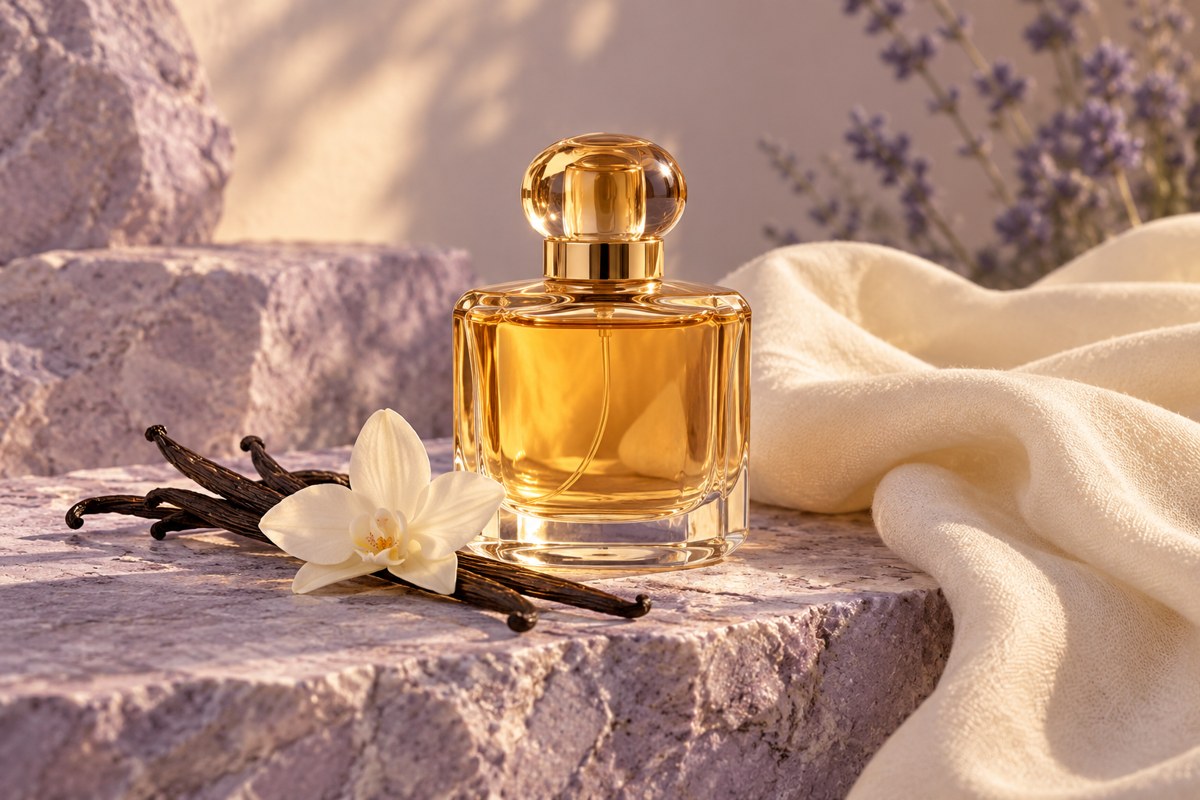
Gourmand fragrances evoke familiar edible notes: vanilla, caramel, cocoa or honey. A cozy scent does not have to smell like a whole dessert counter. A little sweetness can sit beside woods, soft musk or a fresh opening, giving the fragrance a quieter, more personal character.
The essentials
Try a scent on your own skin and give it time. The opening is only the first impression; the dry-down may feel warmer, softer or very different. Test one or two fragrances rather than a long row, and consider how the scent feels in the places where you will actually wear it.
For a simple body ritual, moisturize first and use fragrance sparingly according to the product directions. If layering appeals to you, pair one scented step with an unscented moisturizer so the notes have room. A body mist is a format choice, not a guarantee of better tolerance.
Sensitive skin may prefer fragrance-free body care, with scent reserved for a use allowed by the product label. Do not spray perfume onto an irritated scalp or use it as a hair treatment. Cozy should describe the experience, not a feeling of itching or discomfort.
Learn the scent vocabulary without chasing a label
Vanilla, caramel, cocoa and honey are examples of notes used to describe a gourmand impression. These descriptions refer to the smell, not to a promise that the product contains an edible ingredient. A vanilla perfume should not be treated as food, and “natural” fragrance language does not make a formula suitable for every skin. Read the product type and directions first, then use the note list to imagine the style you might enjoy.
Look at the notes around the sweetness. Woods can make the impression feel drier, a fresh opening can give contrast, and soft musk can make the overall style feel quieter. Different combinations may appeal to different moods, so there is no single correct gourmand scent. Also separate sweetness from strength: a scent can feel rich without needing to fill a room. The most useful comparison is how each fragrance sits in your normal surroundings, not which bottle has the most elaborate dessert description.
Test in a way that reveals the dry-down
Begin with a blotter if you want to compare the general direction, then test a favorite on skin according to the directions. Avoid putting several different candidates on the same small area; overlapping notes make the comparison less clear. Note the first impression, then come back to it later. It can help to write down the name rather than trying to remember which sweet scent belonged to which bottle after a long visit to the counter.
Test the amount you would actually wear, not an exaggerated dose intended to prove lasting power. A warm room, a coat and nearby scented products can change the overall experience. Ask whether you still enjoy the fragrance once the opening has settled and whether it feels comfortable at close range. Do not judge only from someone else’s reaction: a scent that attracts a compliment may still be too strong or distracting for your own preferences.
Build a body ritual with one clear fragrant focus
An unscented moisturizer plus one fragrance is an easy starting point. If you prefer a scented body lotion, you can let that be the main fragrant step rather than adding a competing perfume. Use products only on the areas and in the quantities recommended on their packaging. Perfume, body mist and body cream are different formats with different instructions. A lighter-sounding product name is not a guarantee that sensitive skin will find it more comfortable.
Layering works best as a deliberate choice rather than a requirement to buy an entire matching set. Try a small amount of each product separately before combining them. If two scents compete, keep one for a different day instead of adding a third to blend them together. Keep product textures in mind as well: a pleasant scent does not compensate for a body cream you dislike wearing. The ritual should feel easy enough to repeat, with fragrance adding enjoyment rather than extra work.
Keep body fragrance and hair care in their own roles
A perfume is not a treatment for the scalp or lengths. Do not transfer it into a hair routine merely because a beauty photograph shows a bottle beside flowing hair. If you choose a fragrance product specifically labelled for hair, follow those directions; that is a separate decision from using ordinary perfume. Likewise, a scented hair cream is a haircare product, not a substitute for a body lotion. Matching an aesthetic does not make products interchangeable.
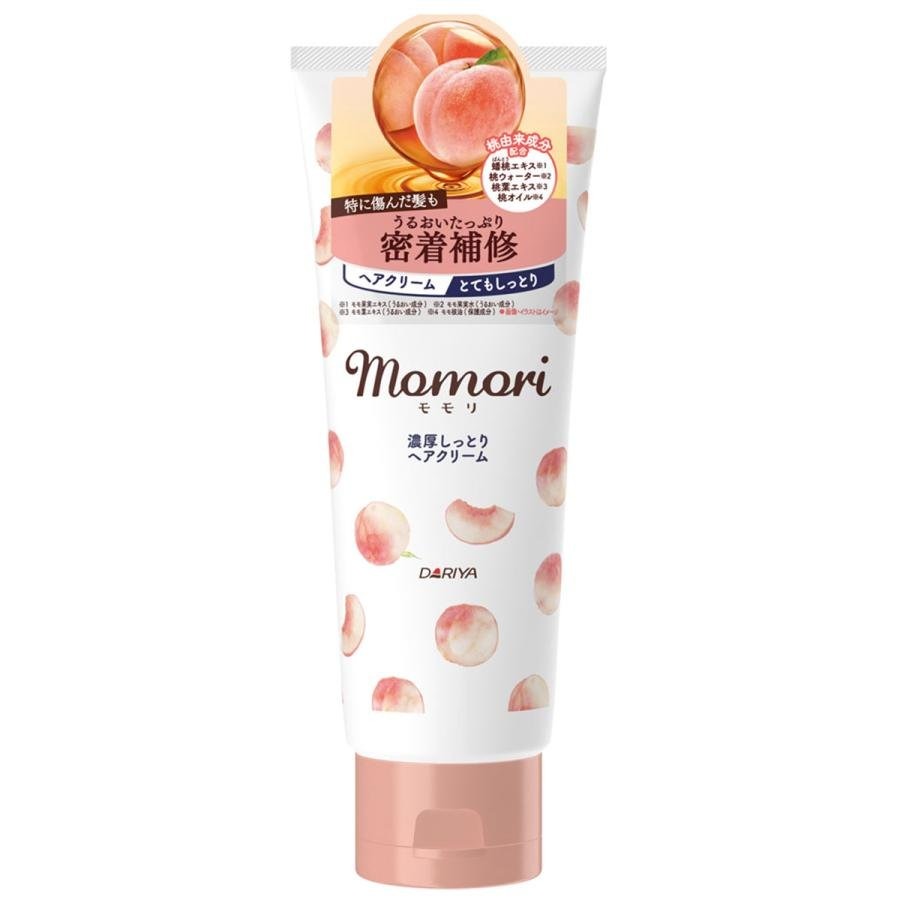
Momori Peach Rich Moist Hair Cream can give a separate hair ritual a gentle peach-inspired character while caring for the lengths. Its scent is fruity, so it is not being described here as a vanilla or caramel perfume. Choose it for the stated haircare role and texture. For the body, keep the recommendation focused on a moisturizer and an optional fragrance you have tested. A coherent ritual can have a little sweetness without requiring every product to smell the same.
Recommended care
What to use: a body moisturizer and, if you enjoy scent, a body fragrance with vanilla, cocoa or soft amber notes. Use fragrance-free care if your skin is easily irritated.
For a separate hair ritual: Momori Peach Rich Moist Hair Cream offers a gentle peach-inspired scent while caring for lengths. It is a hair cream, not a body perfume or a gourmand fragrance.
Sources & further reading
Products for this ritual
Momori · 150 g